
 Does your car drift to one side when you’re driving?
Is your steering wheel crooked even when the wheels are straight?
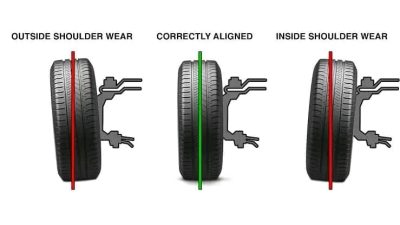
Do your tires seem to wear unevenly, faster on one edge than the other?
If you’ve noticed any of these, it may be time for an alignment. Alignment isn’t just about making your steering wheel look straight. It’s about setting your wheels at the correct angles so your car handles safely, your tires last longer, and your fuel mileage doesn’t suffer.
2-Wheel vs. 4-Wheel Alignment
One of the most common questions we get is: “Do I need a 2-wheel or 4-wheel alignment?”
A 2-wheel alignment, sometimes called a front-end alignment, adjusts only the front wheels. This was more common on older vehicles or certain trucks with a solid rear axle. It can straighten out the steering but doesn’t address what’s happening in the back.
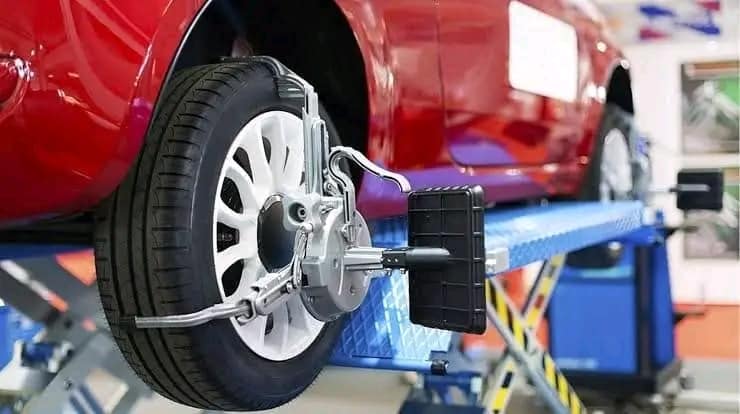
A 4-wheel alignment adjusts all four wheels. The rear wheels are set first, and then the front is adjusted to match. This is what most modern cars, SUVs, and trucks need, since they’re built with independent suspension. A 4-wheel alignment gives the best handling, keeps the vehicle tracking straight, and helps your tires wear evenly.
Why Alignment Matters
Getting your wheels lined up correctly makes a big difference. It extends tire life, keeps your vehicle safe and stable, improves fuel economy, and prevents extra stress on steering and suspension parts.
When to Get an Alignment
You should plan on having your alignment checked about once a year or every 12,000 miles. It’s also a good idea after you install new tires, if you hit a curb or a deep pothole, or any time your car starts pulling to one side or your tires show uneven wear.
After Repairs and Replacements
Alignment isn’t only routine maintenance. Anytime you replace parts that affect how the wheels sit or steer, you’ll need an alignment to follow. That includes suspension parts like shocks, struts, ball joints, and control arms, steering parts like tie rods or a rack-and-pinion unit, and even wheel hubs or bearings. Skipping it can undo the work you just had done and cause your tires to wear down fast.
What About Suspension?
Your alignment depends on your suspension. If suspension parts are worn or damaged, it may not even be possible to keep the wheels aligned. We’ll dive into suspension more in the next post, but it’s important to remember the two go hand-in-hand.
Keeping It Straight
Alignment isn’t just one of those “extra” services shops recommend. It’s a basic part of keeping your car safe, predictable, and efficient on the road. It protects your tires, saves you money at the pump, and makes sure your steering responds the way it should. In other words, it’s maintenance that matters.
If you’re not sure when your last alignment was, or you’ve started noticing any of the signs we’ve talked about, it’s probably time to have it checked. At S.P.O.T.S. in Aledo, we do both 2- and 4-wheel alignments with the right equipment for your vehicle, so you can drive with confidence knowing your tires and suspension are working the way they should.